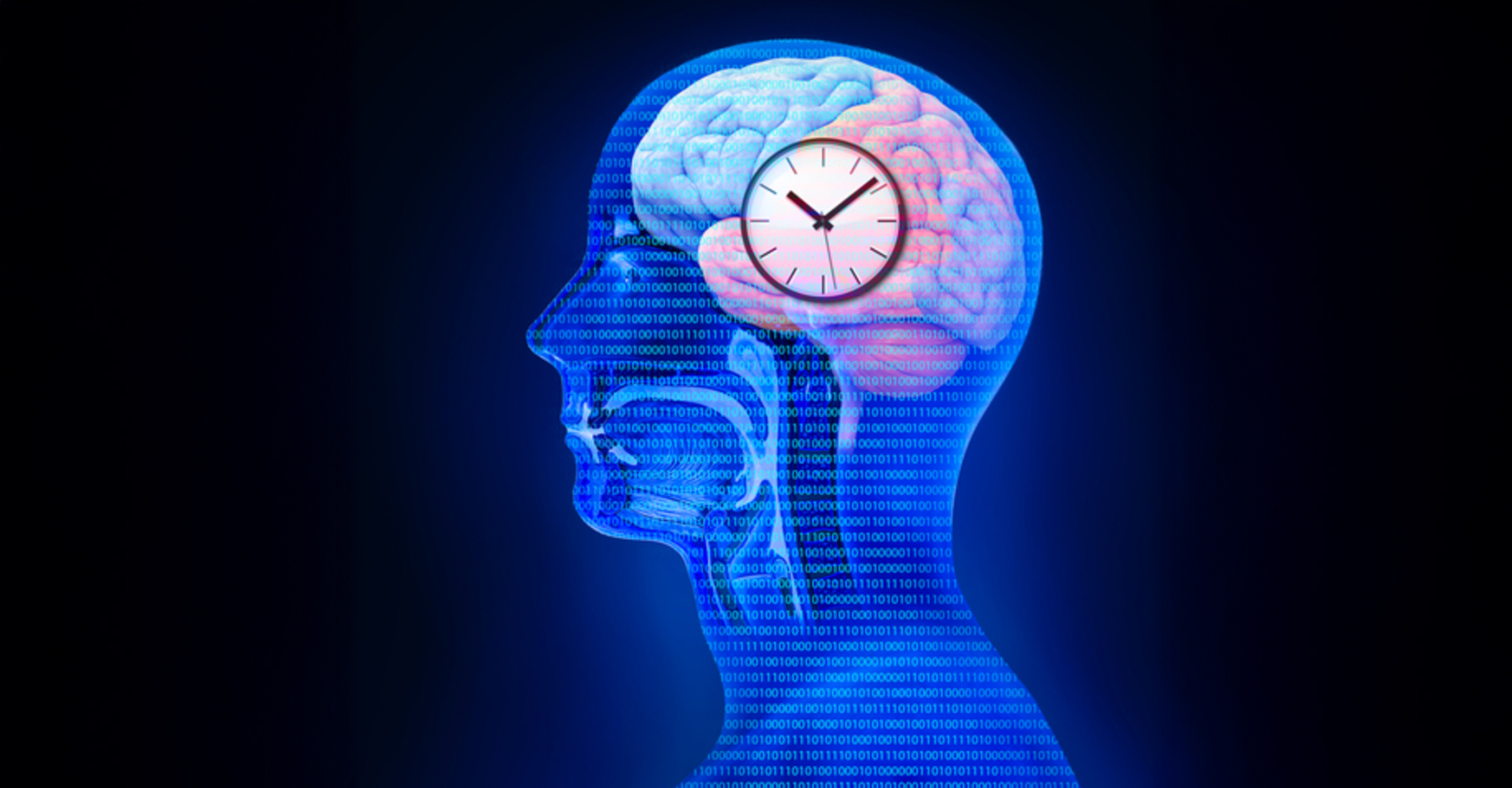
Today more than ever the need to reclaim one’s inner being seems indispensable to reach a state of greater well-being. Following the rhythms of nature, reconciling ourselves with the flow of the seasons, welcoming the passing of time is part of an approach to life that can lead us in that direction.
The principle is that everything that exists in nature is part of a vital system marked by biological cycles, also highlighted by science.
Having established that the most favourable hours for working, relaxing and moving are the daytime hours, while the ideal hours for rest and bio-psycho-energetic regeneration are the nighttime ones, it is important to understand that the organs of the human body do not function in the same way throughout the day.

And how does coffee fit into this discussion?
It does if we consider the “circadian rhythms”, that great mechanism of our genetically preprogrammed biological clock that marks and influences every aspect of our life, determining when we wake up, when we sleep, when we are active and how much energy we have.
When the rhythms are in harmony, life flows easily. We have more energy, we tend to see things in a more positive way, we are more socially connected and we find life more satisfying.
Circadian rhythms are regulated by sunlight which in turn determines the correct hormone production.
The hormone that involves our reflection on coffee is “cortisol”, a fundamental substance to guarantee support to the vital organs giving the energy to better face the moments in which we feel exhausted and inactive, but which in cases of overproduction can lead to imbalances in the immune system and various problems, including weight gain. It is no coincidence that cortisol is called “the stress hormone”.
Now we need to consider three things: the time we are used to drinking our first coffee, its properties and the peak production of this hormone.
Most of us wake up around 7/8 and shortly after the coffee is ready, in the morning when the greatest amount of the total daily amount of cortisol is secreted.
We can now understand why at this time of day there is no need for any boost: the body has enough to face the awakening with the right amount of energy. Adding cortisol as soon as you wake up could instead cause a feeling of tiredness and fatigue.
This is why drinking the first coffee as soon as you wake up does not bring the energetic benefits of caffeine. At least from a physiological point of view.
In fact, it is in the moments in which cortisol drops that our body would most need that little push from caffeine, that is, between 9:30 in the morning and 11:30, a time in which its energetic effects would last for the following 5 hours.
Having said that, we cannot ignore the psychological level.
What is it that often helps us get up and with eyes still sluggish with sleep to bustle around in the kitchen if not coffee?

Aroma, flavour, tradition, habit, family. And a bit of the comfort zone of the early morning that the night was more or less pleasant. And what if denying it produced stress, and from stress, an increase in cortisol?
It could open a nice debate! As in all things, there is no absolute truth, only a healthy common sense.
And speaking of senses, to tickle yours, we suggest to #mokalovers the highly creamy Capriccio blend particularly suitable for pairing with milk for its characteristic chocolatey aftertaste. To #espressolovers the ecological capsules 01, 02, 03 and compatible with Nespresso with different types of blends.