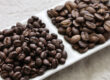
Art and coffee go hand in hand: not only in making it, but also in using it in an alternative way.
And in all its uses, coffee requires knowledge. Knowledge of the raw material, techniques and tools through which to express talent and characteristics. Even in the case of Coffee Painting.
In the early days, before artificial colors, pigments were natural and tea and coffee were among the most widespread and used substances. Today, the return to the “natural” is a growing trend also in the expression of creativity: wood is colored with coffee, fabrics are colored and it is painted.
The range of shades from hazelnut to dark brown of coffee can give life to suggestive monochromatic works.

There are two main techniques: one uses the liquid made with the moka as if it were a watercolor, the other allows you to reuse the grounds.
Here are some tips for those who want to try.
Before you begin, make sure you have all the necessary materials: coffee, soft pencil, newspaper, paper towels to dry the excess coffee, and at least 3 empty cups or small containers, brushes of different sizes, and sheets of watercolor paper.
Spread the newspapers on the work surface and place the sheet on which you will paint. Fill a cup with water and keep it available. Create the colors in separate cups, pouring small quantities of coffee into the different cups diluting it with different quantities of water. More coffee to obtain dark shades, more water for light shades.
Create the background, moistening the paper with a very light shade and gradually adding more drops of coffee randomly until you obtain the desired texture. Now wait for it to dry.

Then lightly trace the outlines of the drawing with the pencil and start expressing yourself, using the layering technique: layer after layer until the desired effect is created. An extremely important thing is to let the layers dry completely before overlapping them.
Once finished, if you are satisfied with your work, wait at least 24 hours before putting it in a frame.
In the meantime, you can take inspiration from some exponents of the Coffee Painting movement
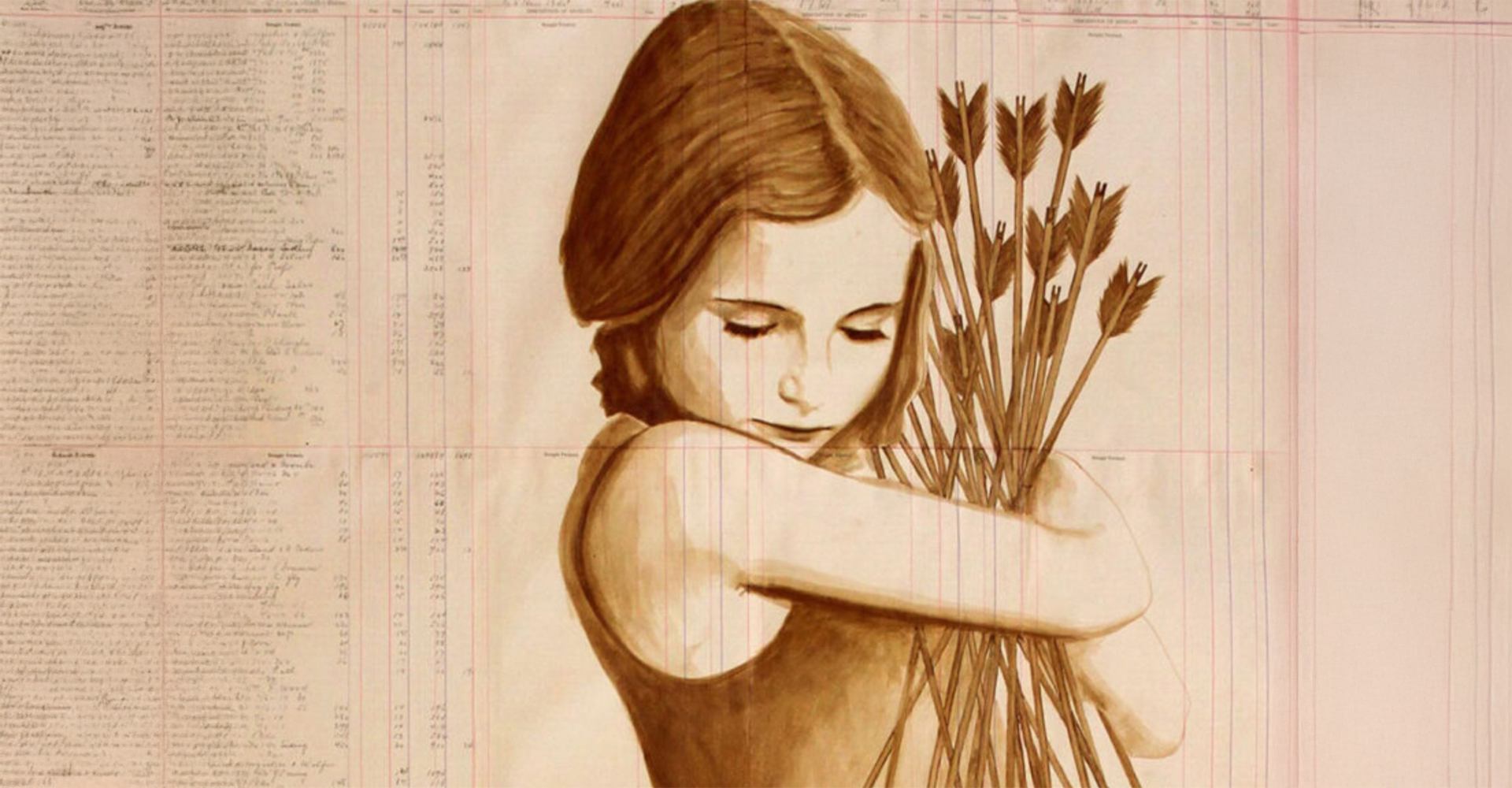
Michael Aaron Williams, originally from East Tennessee, is known for his street art installed in the urban area of 15 different countries around the world. He is also famous for his intriguing coffee paintings on centuries-old paper. Using register paper from the late 1800s to early 1900s, the images are entirely rendered using a brush, a lot of coffee and a little ink for an extra glow.
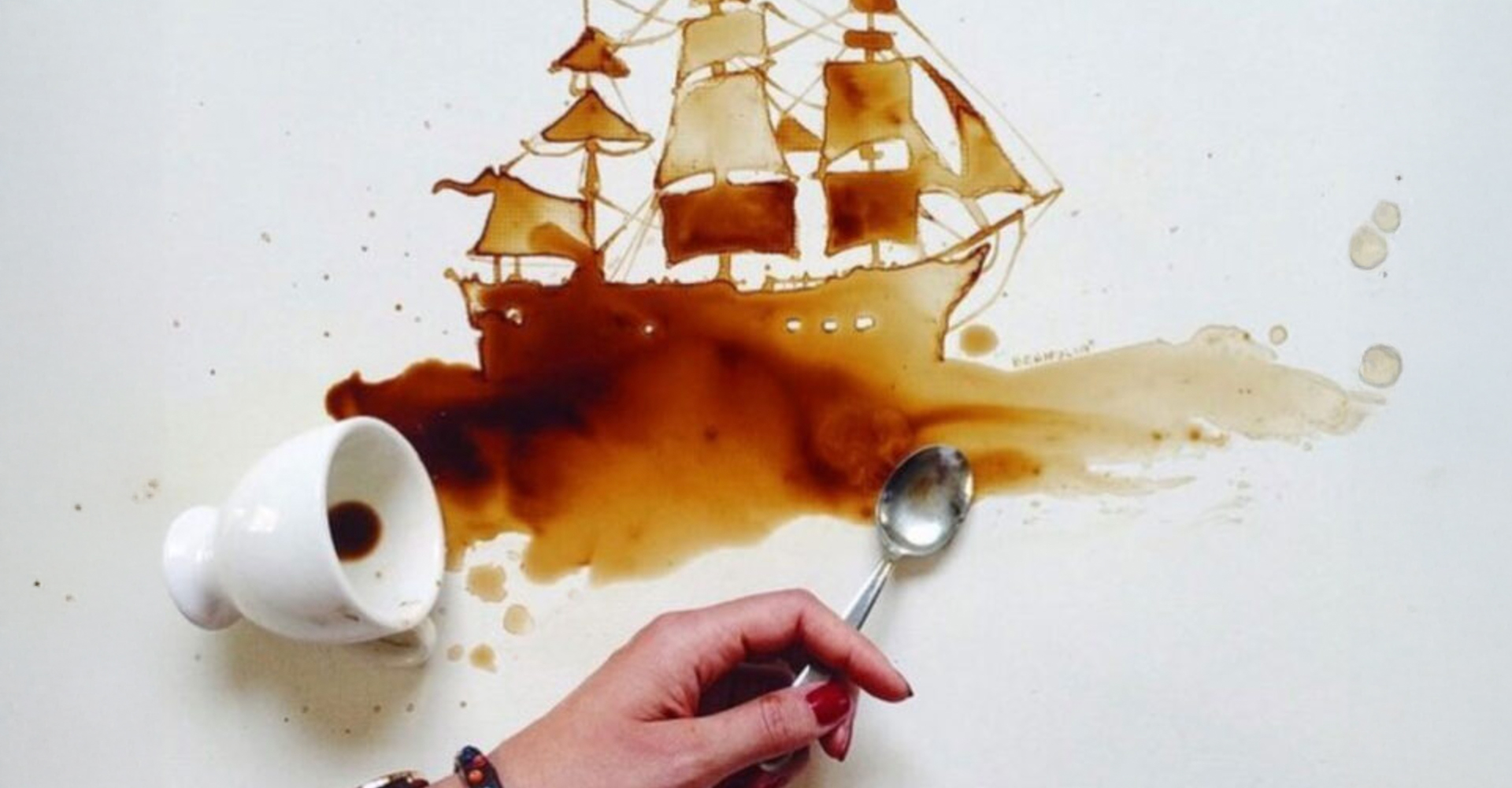
The artist who transforms the black color of water and caffeine into wonderful works of art that are literally driving tens of thousands of people crazy on the internet is Giulia Bernardelli, aka @bernulia. Bernulia’s works, however, are left intact only for the time of a shot. Once photographed, the work is eaten, erased or in any case made very different from what it appeared.
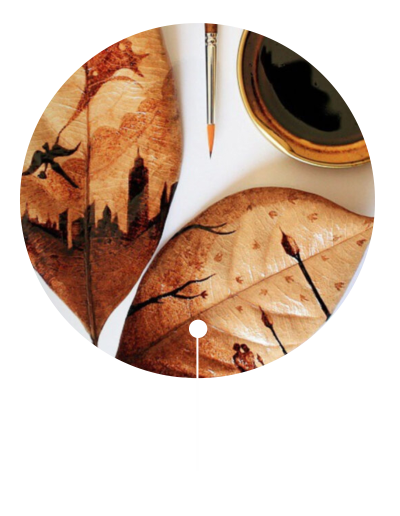
The third artist we’re talking about is Indonesian artist Ghidaq al-Nizar @coffeetopia. He’s taken a new approach, creating his coffee watercolors on leaves and using coffee grounds in his compositions. Al-Nizar calls his art #zerowastecoffee because he usually paints with the leftovers of his morning coffee, making sure nothing, not even the remnants of the ground coffee, goes to waste. The artist also creates works using milk foam, which you can see on his Instagram account.
For the raw material: shop.manuelcaffè.it