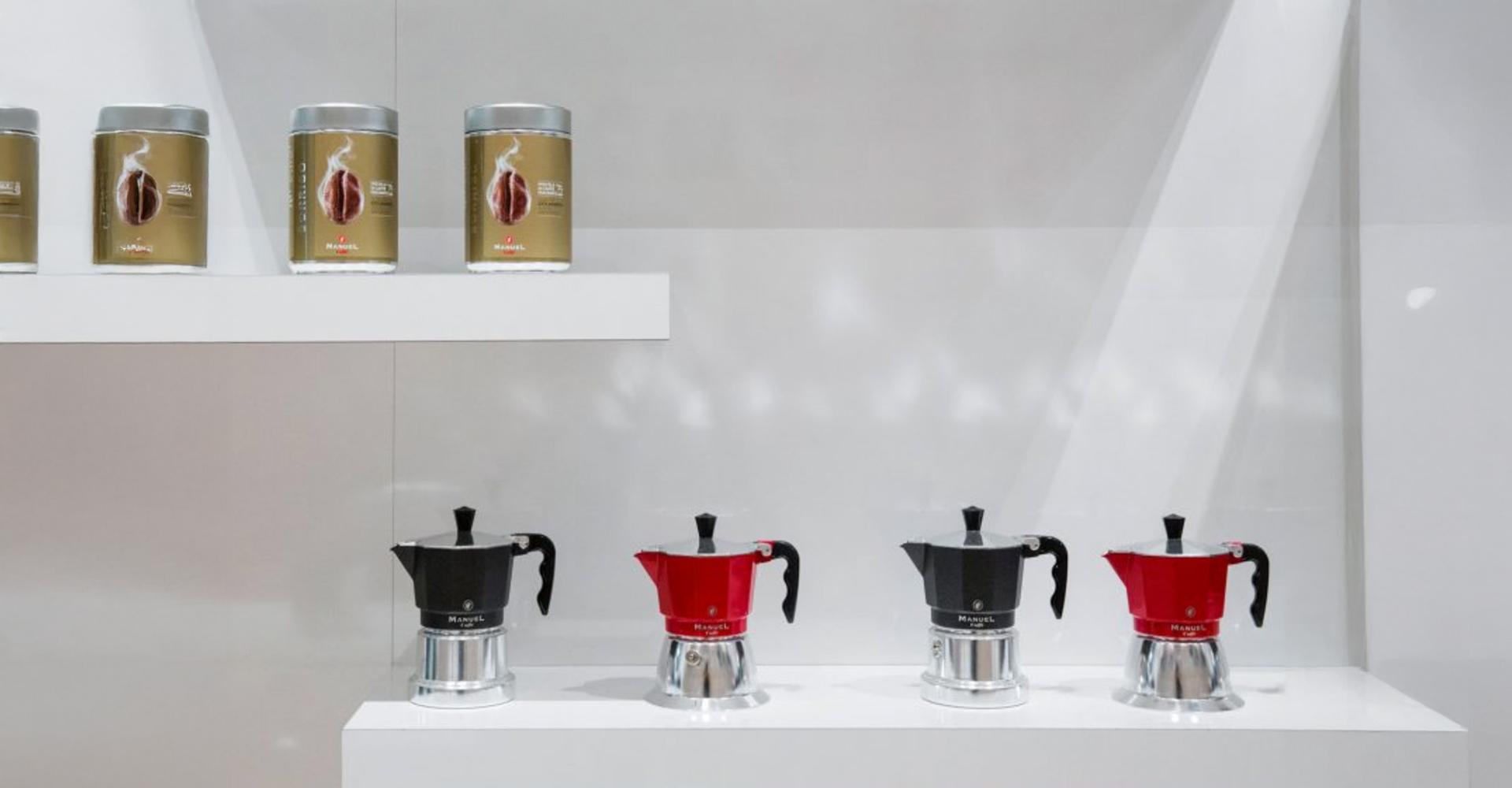
From the “cuccumella” to the Moka, the step was an intuition.
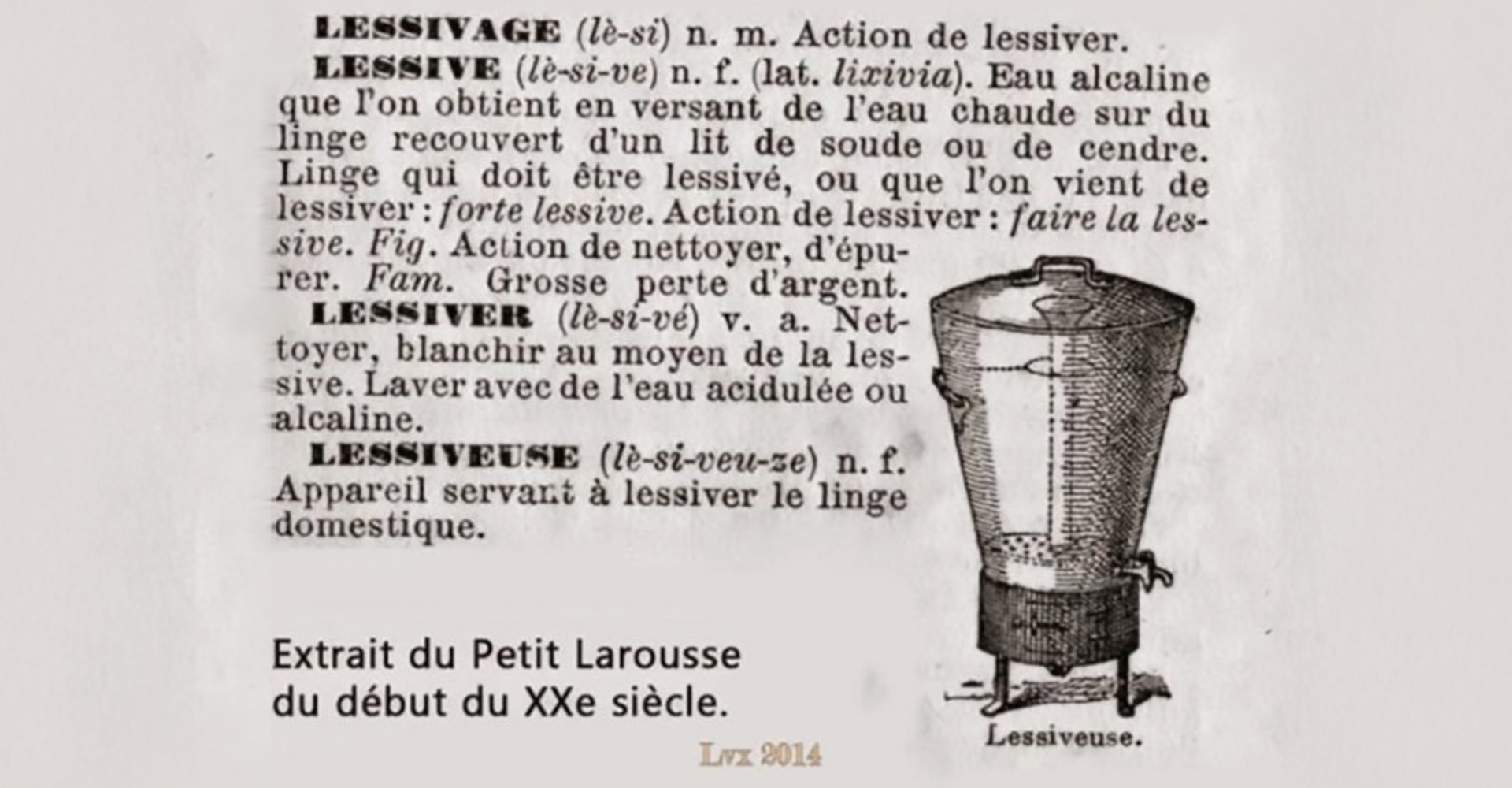
It was 1933 when Mr. Arturo Bialetti watched his wife do the laundry in the washing machine of the time, a “lisciveuse” – a sort of metal bucket, with a steel tube in the center, which was heated from below so that the boiling water sprayed the laundry to evenly distribute the lye – created the first prototype of the moka.
everyone’s homes. Perhaps this is why every Italian is convinced that they know how to use it perfectly. But we know that perfection does not exist and that the beauty is learning every day.
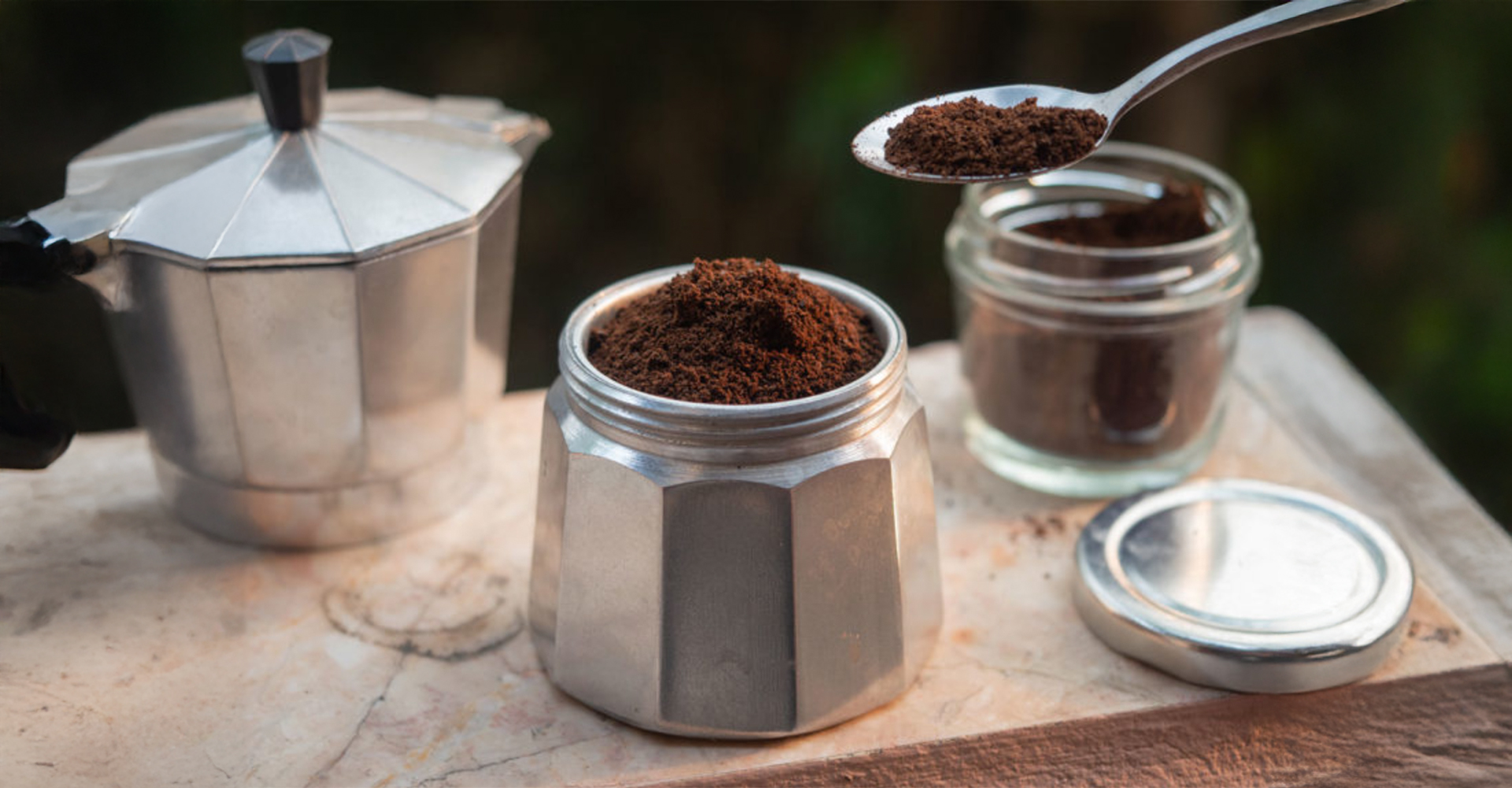
Thus, the tricks and rumors that are passed down from family to family to obtain the best coffee are gradually debunked. One of these, the legendary “montagnetta”
To give you reliable information, we asked the expert. Andrea Sguazzin, certified Q Grader and SCA trainer of the Sapere Coffee Academy, widened his eyes and shook his head when asked: “Mountain?!? The mountain, NO!”
To give you reliable information, we asked the expert. Andrea Sguazzin, certified Q Grader and SCA trainer of the Sapere Coffee Academy, widened his eyes and shook his head when asked: “Mountain?!? The mountain, NO!”
If we want to be sophisticated, the moka should actually be weighed to be sure to put the right amount of coffee so that it is not under- or over-extracted.
Along with the “mountain”, the other issue is “to press or not to press”. Although many people are used to pressing the greatest amount of coffee possible into the filter, this should not be done. In the water, this way, only a few channels would be created without involving the entire dose. The ideal would be to add the right amount of coffee and try to distribute it evenly, limiting the filter to tapping the work surface lightly at most.
The ideal quantity for a classic three-pot moka is 150 ml of water – right under the valve – and 15 g of ground coffee with the correct roasting and grain size. If the moka is of another size, the secret is to respect the ratio between coffee and water: always 1:10 – 1 part coffee and 10 parts water -.
So to be sure of the result, you will have the filter filled correctly and all you have to do is tap lightly to evenly distribute the mixture and eliminate the air spaces inside the filter.
In any case, remember that the filter must not be full of coffee. No mounds and above all do not press the coffee.
The next time you feel like having a good homemade coffee, since now you know what to do, we recommend which blend to choose considering that the lighter the roast, the more acidic and light the coffee will be on the palate, the darker it is, the more bitter, strong and full-bodied it will be.
We recommend a medium roast to balance the burnt taste in the cup, since the moka has a somewhat particular extraction type and tends to burn the drink.
Obviously, attention to preparation makes the difference, and also the correct type of water to use. But this is another chapter and you will learn.
Here you will find all the Manuel caffè Linea Casa blends.
And happy coffee to everyone!